Industry applications

Markforged Industry Programs Guide Additive Tooling Decisions

Different factories adopt additive manufacturing for different reasons. Some need faster launch tooling, some need a replacement-part path for aging equipment, and some need a controlled way to make low-volume production aids without waiting on conventional machining queues. Markforged frames each industry around the production evidence required to make that decision responsibly.

Aerospace additive manufacturing tooling

Aerospace and defense suppliers

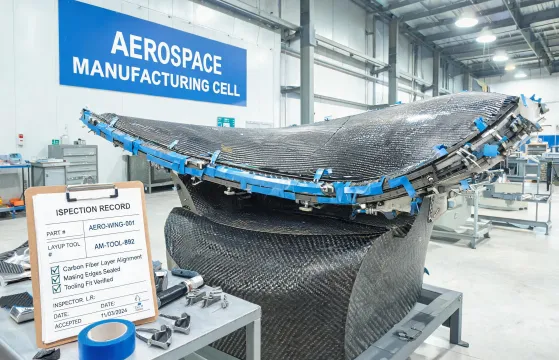
For aerospace buyers, the first question is rarely whether a printed fixture is fast. It is whether the fixture can be tied to revision control, operator instructions, and traceable inspection evidence. Markforged programs can support controlled tooling aids, masking fixtures, drill guides, and lightweight handling tools where the approval package matters as much as the build speed.
Automotive launch tooling with printed fixtures

Automotive launch and service

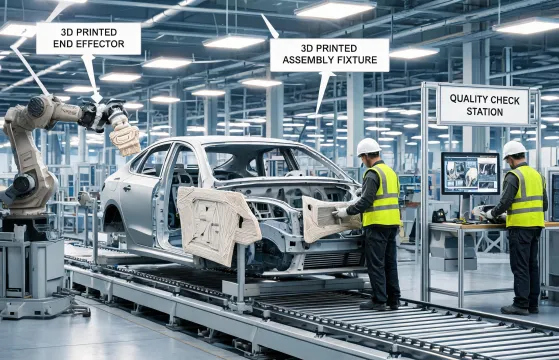
Automotive teams need speed during pilot builds, but they also need repeatability. Printed fixtures, end-of-arm tooling, check gauges, and service-part supports can shorten changeover cycles when they are reviewed for takt time, operator handling, temperature exposure, and inspection requirements before release.

Electronics assembly fixtures made by additive manufacturing

Electronics and connected devices

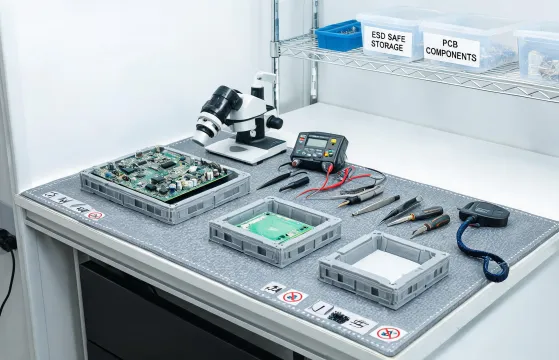
Device manufacturers use additive tooling to hold fragile components, speed test setups, and adapt assembly stations for fast product revisions. Markforged helps evaluate ESD concerns, ergonomic handling, board or enclosure tolerance, and the documentation needed when a fixture touches a controlled manufacturing process.

Industrial maintenance spare part additive manufacturing

Industrial maintenance and MRO

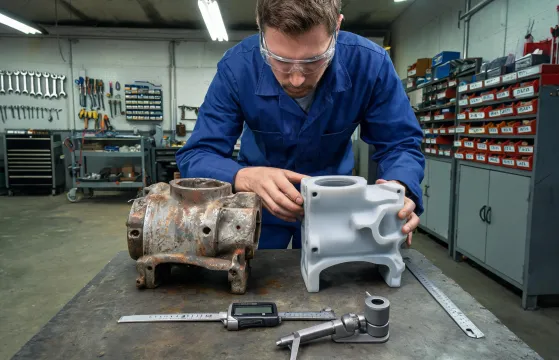
Plants facing obsolete or long-lead components need a practical path, not a risky shortcut. We help maintenance and engineering teams assess whether additive manufacturing fits the load, wear, heat, and dimensional requirements for a replacement aid or low-volume part.

Selection guide

Use these questions to decide whether a part belongs in the additive review queue.

Does the part block a build or line change?

Good candidates usually have a clear business reason: late tooling, downtime, changeover pain, service-part scarcity, or a design iteration that cannot wait for a conventional queue.

Can the operating environment be described?

Load, temperature, contact surface, chemical exposure, and operator handling are essential. If those conditions are unknown, the first step is discovery rather than printing.

Is there an inspection or approval path?

Production tooling should include release criteria. A simple gauge may need photos and a dimensional check; regulated programs may need a more formal evidence package.

Will the design change again?

Additive manufacturing is especially useful when geometry is still moving. Revision control and repeat-build notes keep iteration fast without losing discipline.

Bring an industry-specific tooling problem to Markforged.

Tell us the factory context, approval constraints, and time pressure. We will help decide whether additive manufacturing can responsibly compress the timeline.

Start Industry Review